
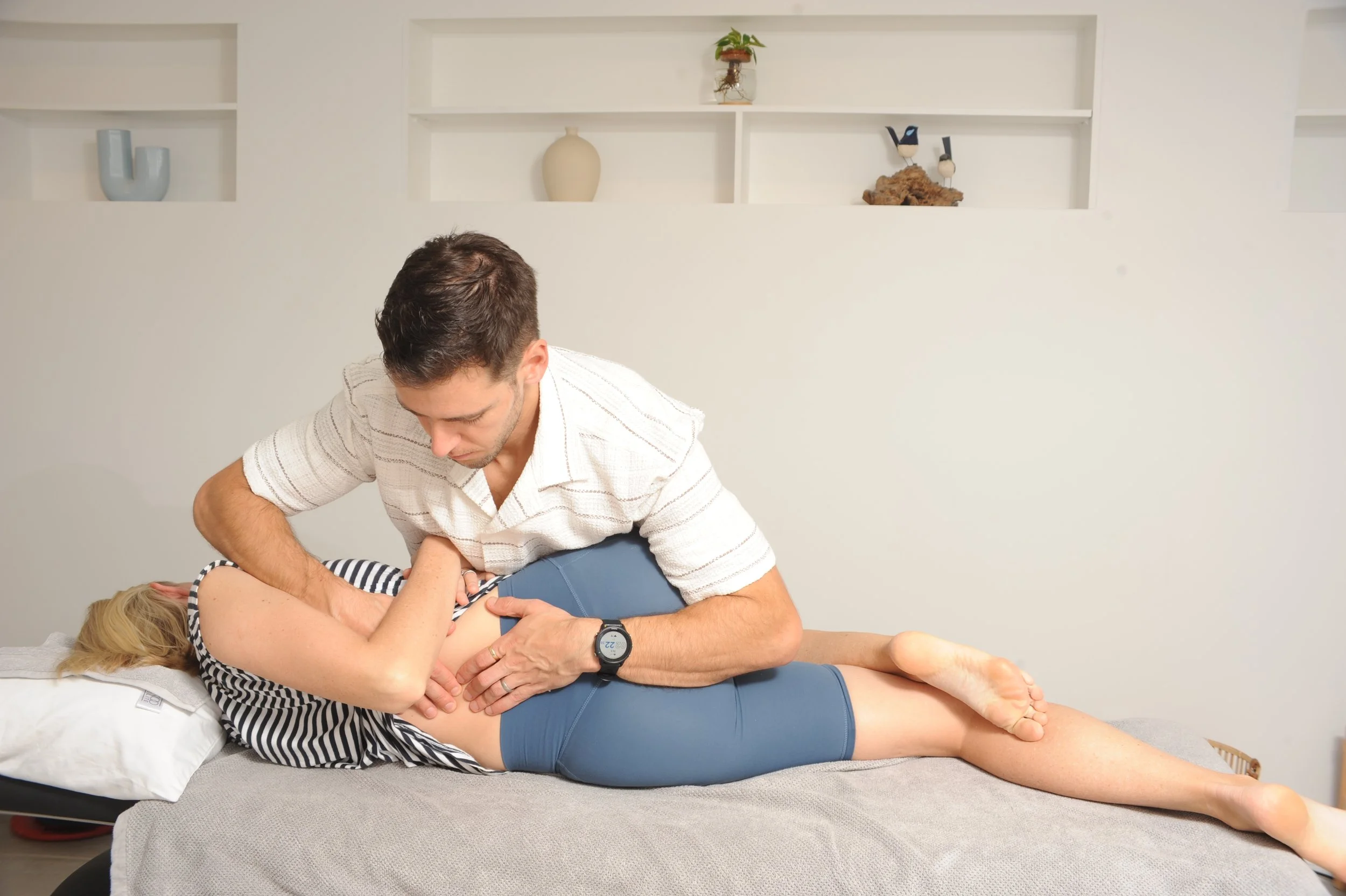
With a tailored approach to diagnose and treat low back pain, Osteopathy can create lasting impact.
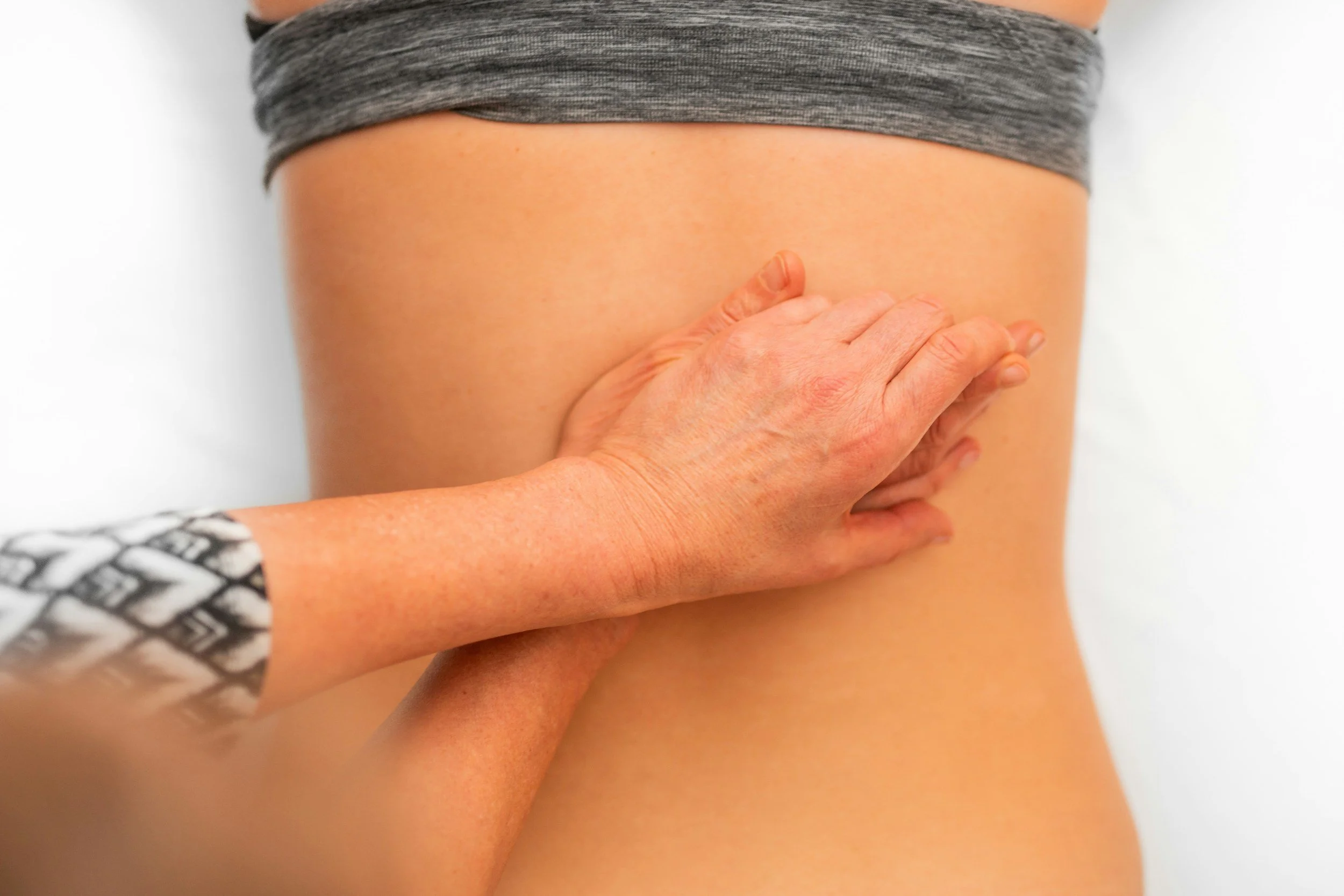
What causes low back pain?
How can Osteopathy help my low back pain?
Having 5 years of university degree training, Osteopaths are AHPRA registered practitioners who are qualified to diagnose the causation and discern between uncomplicated back pain and more serious back pain that requires referral to a specialist.
You don’t require a GP referral to see Ed, so osteopathy can be your rapid option to identify the root cause of your back pain and recommend the appropriate course of action.
Low back pain is one of the most common reasons people seek healthcare. In fact, around 8 out of 10 people will experience low back pain at some point in their lives. While it can be frustrating and sometimes debilitating, the good news is that most episodes improve with the right combination of education, movement, and hands-on treatment.
At Tidal Osteopathy, Ed takes the time to identify the factors contributing to your pain and create a personalised treatment plan designed to help you move confidently again.

Common contributors include:
Muscle and Joint Strain
The most frequent cause of back pain. This can occur after lifting, gardening, sport, prolonged sitting, or even waking up after sleeping awkwardly.
Reduced Joint Mobility
The joints of the spine and pelvis can become stiff, leading to discomfort and reduced movement. This can be due to underlying degenerative changes, lack of movement or build of muscle tension from increased physical load on the body.
Disc Injuries
The discs between the spinal bones act as cushions. Sometimes they become irritated and inflammed or create compression on the nearby nerves, causing pain that may spread into the buttock or leg.
Poor Load Management
Doing too much too quickly—or too little for too long—can both contribute to ongoing pain.
Lifestyle Factors
Research shows that sleep quality, stress, physical activity levels, and general health all influence how we experience pain.
Previous Injuries or Underlying Systemic Pathology
A history of previous back injuries can increase the likelihood of recurrent episodes, especially without appropriate rehabilitation. You may also be suffering from an inflammatory condition such as rheumatoid arthritis, ankylosing spondylitis or psoriatic arthritis that can cause pain and stiffness of the effected joints.
Females can experience lower back pain from pregnancy, hormonal imbalances and endometriosis that can be aided with osteopathic treatment in synchrony with medical management.
How Can Osteopathy Help?
Osteopathy focuses on improving the way your body moves while reducing pain and restoring confidence in everyday activities.
Your treatment may include:
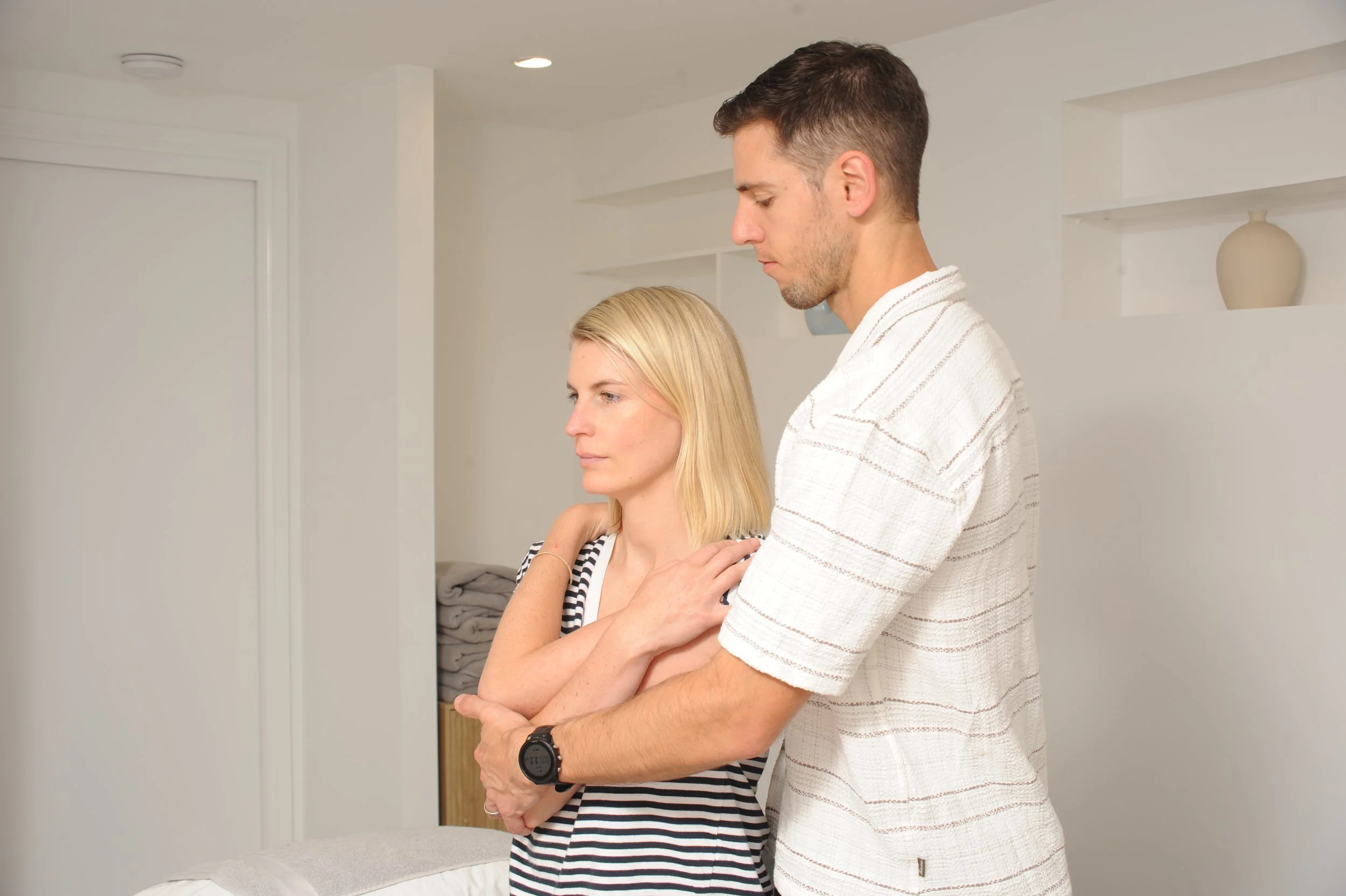
Comprehensive Assessment
Your osteopath will assess:
Movement patterns
Joint mobility
Muscle strength
Flexibility
Nerve function
Lifestyle and work demands
This helps identify the factors contributing to your symptoms rather than simply treating where it hurts.
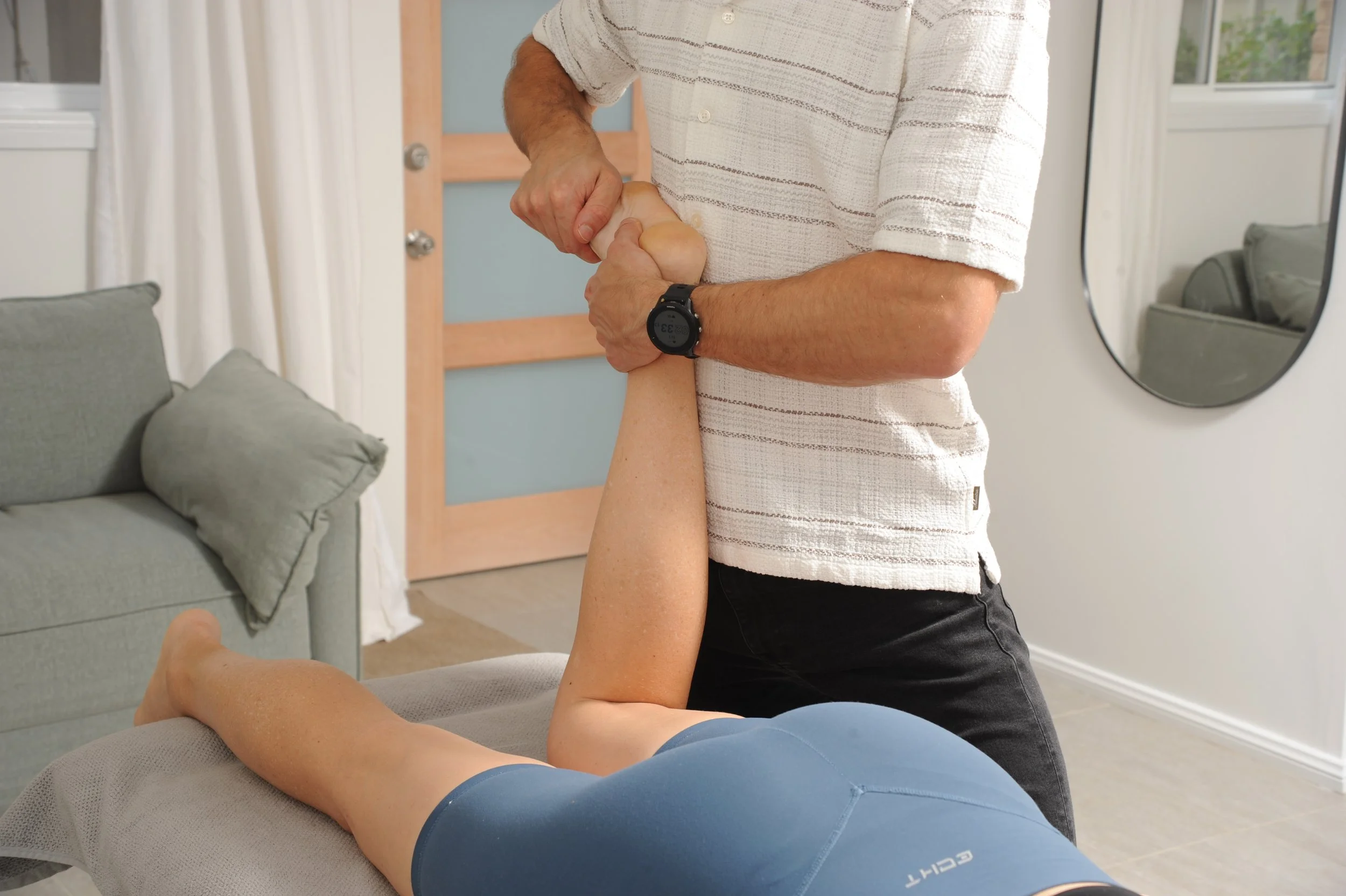
Hands-On Manual Therapy
Treatment may involve:
Gentle joint mobilisation
Soft tissue massage
Muscle energy techniques
Stretching
Spinal manipulation (when appropriate)
Dry Needling
Visceral and cranial techniques
These techniques can reduce pain, improve mobility and make movement feel easier.

Exercise Rehabilitation
Research consistently shows that exercise is one of the most effective long-term treatments for low back pain.
Your osteopath may prescribe exercises to:
Improve flexibility
Build core and hip strength
Improve endurance
Restore confidence in movement
Prevent future flare-ups
Exercises are tailored to your goals, fitness level and stage of recovery.
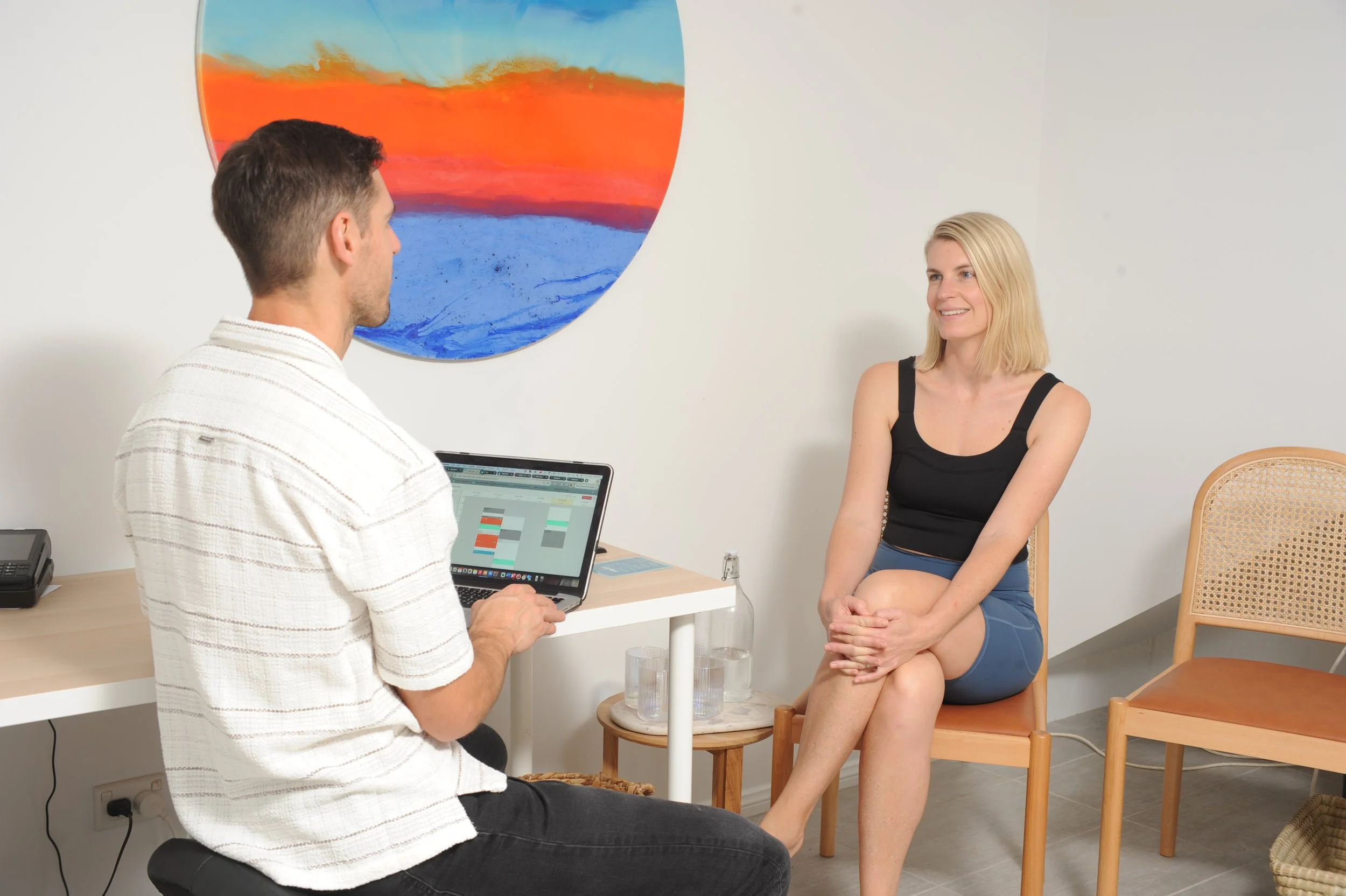
Education
Understanding your pain is one of the most powerful treatments available.
We'll explain:
Why your pain developed
What movements are safe
How to pace activity
How to return to work and sport
Strategies to prevent recurrence