
Understanding Lower Back Pain
Lower back pain is a common concern affecting many Australians, particularly as we age. If you're over 30, chances are you've experienced, or will experience, some form of lower back discomfort at some point. As an osteopath, I want to share some important facts, common diagnoses, and practical self-help strategies to empower you in managing this condition.
Who suffers from lower back pain?
Lower back pain is one of the most prevalent health issues in Australia. In 2014-15 an estimated 3.7 million Australians (16%, or 1 in 6 people) had chronic back problems.(2)
It’s particularly common among those aged 40-70, often linked to factors like aging, lifestyle, and workplace ergonomics.
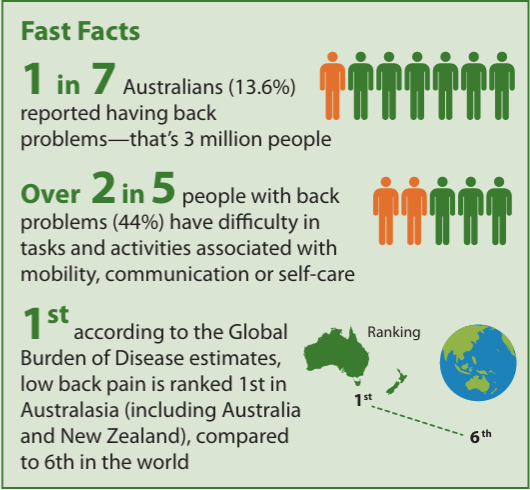
Studies indicate that approximately 70-90% of Australians will experience lower back pain at some stage in their lives (1), making it a leading cause of disability and work absence.
What causes lower back pain?
Many factors come into play on why we experience low back pain. Some of the most common diagnoses include:
· Muscle Strains and Ligament Sprains: Often caused by lifting heavy objects, sudden movements, or poor posture.
· Degenerative Disc Disease: As we age, spinal discs can wear down, leading to discomfort and reduced flexibility.
· Facet Joint Arthritis: Arthritic changes in the small joints of the spine can cause localized pain.
· Herniated or Bulging Discs: When the integrity of the disc material becomes impeded, they may compress nerves and create neurochemical inflammation causing pain and sometimes neurological symptoms.
· Spondylolisthesis: A condition where there is increase instability of the bony anatomy of the spine and one vertebra can slips forward over another, causing instability and pain if the nerve structures are impeded.
· Poor Posture and Ergonomics: Prolonged sitting or incorrect workstation setup can aggravate lower back issues.
While imaging tests like MRI can sometimes be helpful, most episodes of lower back pain resolve with conservative management, especially with the right guidance
What can I do to help avoid or treat lower back pain?
When managing lower back pain, especially if it's mild or moderate, there are several self-help strategies that can make a significant difference:
1. Stay Active:
While rest might seem tempting, gentle movement and staying active promote blood flow and healing. Activities like walking, swimming, or light stretching are usually beneficial. If you are unsure it is always best to seek the help of a trained osteopath to guide you on what is and isn’t safe.
2. Maintain Good Posture:
Be mindful of your sitting and standing posture. Use ergonomic furniture, keep your back straight, and avoid slouching, especially when working at a desk.
3. Stretch and Strengthen:
Gentle stretching of your lower back, hips, and hamstrings can alleviate tension. Strengthening your core muscles provides better spinal support. Simple exercises like pelvic tilts and activation of your deep abdominal and hip stabilising muscles can help.
4. Apply Heat:
Applying a heat pack can relax tight muscles and improve blood flow to the area. The nervous system is an immensely complex unit and it can only process so much information at one time. The nerve fibres that pick up pain signals also pick up temperature sensation so the heat sensation can override the pain messages received from the brain.
6. Manage a Healthy Lifestyle:
Maintaining a healthy weight reduces unnecessary strain on your lower back. Additionally, staying active, eating healthy whole foods, staying hydrated, and avoiding smoking can support spinal health.
7. Seek Professional Advice:
If pain persists beyond a few days, worsens, or is associated with numbness, weakness, or loss of bladder or bowel control, consult a healthcare professional. An osteopath can provide tailored treatment, advice, and rehabilitative exercises.
Lower back pain is common, but it’s also manageable. The key is listening to your body, staying active, and seeking guidance when needed. With the right approach, you can continue enjoying an active, healthy life well into your later years.
If you have any concerns or troublesome back pain, don't hesitate to schedule an appointment with your osteopath. We’ve got your back!
Links to resources
(1) Action on Lower Back Pain; Australian Commission on safety and Quality in Health Care https://www.safetyandquality.gov.au/newsroom/external-publications/action-low-back-pain
(2) Impacts of Chronic Back Problems; https://www.aihw.gov.au/reports/chronic-musculoskeletal-conditions/impacts-of-chronic-back-problems/summary